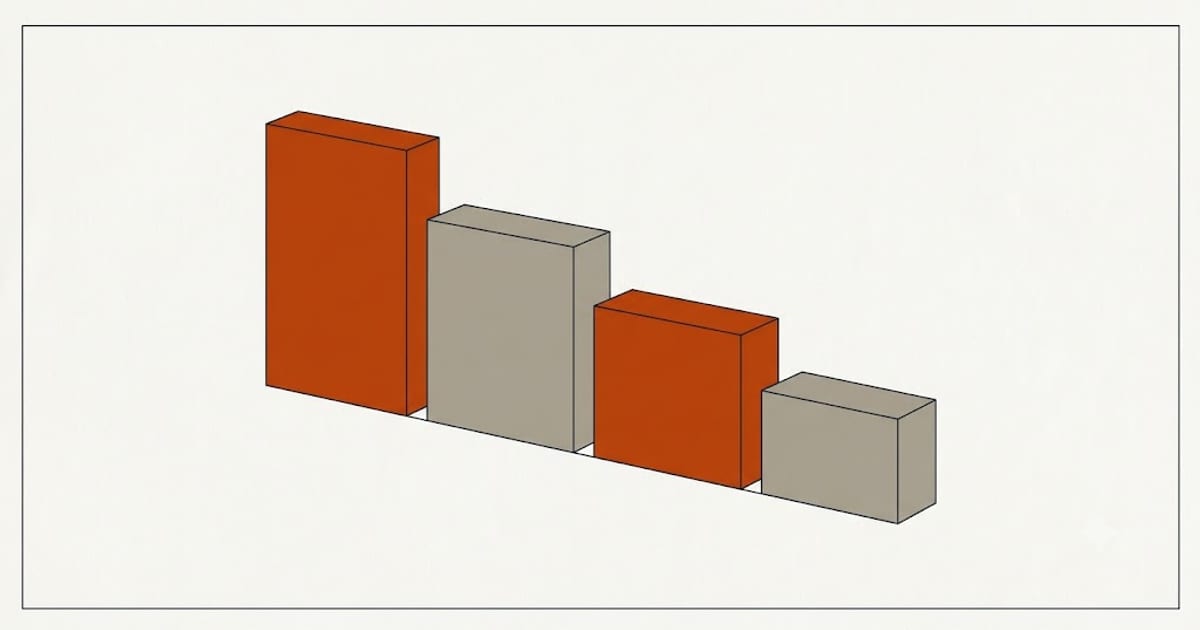
A whole-house quote is easier for the contractor to schedule and usually carries a volume discount. It is not automatically better for the homeowner, and on most houses the windows are not all in the same condition.
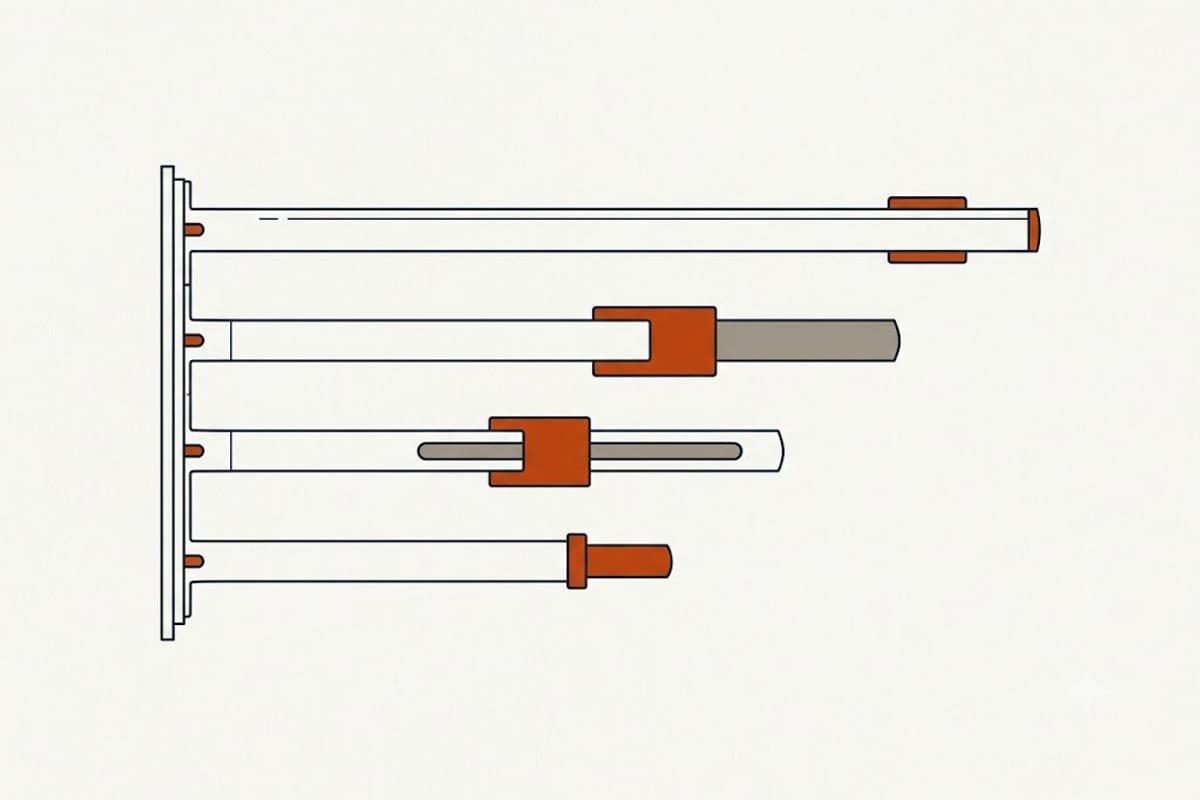
First: anything letting water into the wall
Staining below the sill, soft wood at the bottom corners, paint that keeps peeling in the same spot, a musty smell at the opening.
These are not efficiency problems and they do not wait. Water in a wall damages sheathing and framing continuously, and the cost of the repair grows with every season it is left. This category goes first regardless of how the window performs or how it looks.
It also needs full frame replacement, because the flashing is the point of the job.
Second: the windows that make rooms unusable
Usually a small number, and they are easy to identify because people already avoid them: the chair nobody sits in, the bedroom that runs cold, the room where the television has to be loud because of the road.
These are comfort problems and the fix depends on the cause. A cold radiant surface wants a lower U-factor. A draught wants better weatherstripping or a tighter operating type. Noise wants laminated glass — which is cheaper than triple glazing and much more effective for that specific complaint.
Replacing three windows that solve a real daily annoyance delivers more than replacing twenty that were merely old.
Third: the ones that do not work
Painted shut, will not lock, balances failed, sash falls when released. In a bedroom this is an egress and safety issue rather than an inconvenience.
Try hardware repair first — it is far cheaper and often available. Where the parts are obsolete, replacement is the answer.
Fourth: everything else
Old but sound, single or double pane, seals intact, frames dry. These are the ones a whole-house quote is mostly made of, and they are the ones with the weakest case.
The two arguments for doing it all at once
Appearance. Mixed old and new windows on a single elevation are visible from the street, and phasing looks unfinished until it is complete. If the exterior appearance matters — for sale, or simply for living with it — phasing by elevation rather than by condition solves this. Do the whole front, then the whole side.
Price per window. A crew that mobilises once for fourteen windows charges less per opening than one that comes three times for four. The discount is real, though it is smaller than the headline suggests, and it should be weighed against paying for windows that did not need replacing.
A workable phased plan
Year one: every window with water damage, done full frame, plus the two or three that make rooms uncomfortable.
Year two: the ones that do not operate, after checking whether hardware repair is possible.
Then: the remainder, by elevation rather than scattered, so the house never looks half-finished from any one viewpoint.
What to do with the money you did not spend
If the goal includes the energy bill, the phased approach frees budget for work that returns more per dollar: air sealing the attic plane and penetrations, topping up attic insulation, sealing ducts that run outside conditioned space.
All three cost less than a set of windows and all three cut energy use further. Doing them first also makes the eventual window replacement perform better, because the house around the windows is no longer the weak point.
Keeping a phased job consistent
Two practical things make phasing look deliberate rather than piecemeal.
Order the same product line each time, and record the exact line, colour and glass package after the first phase. Manufacturers revise lines every few years, and a frame profile that changed slightly between phase one and phase three is visible on the same wall even when nobody can say why.
Keep the sight lines aligned. Where an old and a new window sit side by side, matching the head height and the meeting rail position matters far more to the eye than matching the overall size. A supplier can usually set the meeting rail to a specified height at no extra cost, and asking for it is the difference between a phased job and a patched one.
What to keep from each phase
Photograph the opening after the old window comes out and before the new one goes in, on every phase. It costs nothing, it records the flashing and the condition of the framing, and it is the only evidence that will exist if a leak appears three years later and the contractor has moved on.
Keep the NFRC stickers, or a photograph of each, filed with the invoice. Warranty claims ask for the specific glass package, and the sticker is the only place that information exists once the window is installed.