U-Factor & SHGC
What the NFRC label means, and which number matters in your zone.
8 articles
double low-E argon windows in the North-Central climate zone
| This windowthe ordinary replacement window sold today | 0.28U-factor |
|---|---|
| IECC 2021 code minimummet | 0.3U-factor |
| ENERGY STAR 7.0not met | 0.25U-factor |
| SHGC, code | 0.40 |
| SHGC, ENERGY STAR | ≤ 0.40 |
| Cheapest build that clears ENERGY STAR hereU-0.2 | triple pane, low-E, argon |
| ZoneIECC zones 4–5 · the mid-Atlantic, lower Midwest, New England | North-Central |
Notes
- Code minimum and ENERGY STAR are different numbers, and salespeople blur them. In the North-Central zone the code lets you install U-0.3; ENERGY STAR wants U-0.25. A window described as "meets code" can be well short of the level that qualifies for rebates and tax credits — and in the Northern zone the gap between those two is the difference between double and triple glazing.
- Lower U-factor is better; it is the inverse of R-value. U-0.28 is about R-3.6. That is worth holding on to when comparing a window against the R-19 wall it sits in: even an excellent window is a hole in the insulation, which is why window area matters as much as window quality.
- SHGC matters more than U-factor here. In a cooling-dominated climate the sun coming through the glass is a larger load than the heat conducting through it. ENERGY STAR caps SHGC at ≤ 0.40 in this zone for exactly that reason, and a window with a superb U-factor and an unrestricted SHGC will make a south or west room worse.
- The numbers must be NFRC-certified. The label on the window carries U-factor, SHGC, visible transmittance and air leakage, tested to a common standard for the whole window — frame included. A manufacturer quoting "centre of glass" performance is quoting the best part of the window and omitting the frame, which is where most of the loss happens.
- Installation can undo the rating. A U-0.28 window fitted without air sealing around the frame, or shimmed out of square so the sash does not compress its seals, performs like a far worse window. Air leakage around windows is usually a larger loss than conduction through them.
- Replacing working windows rarely pays back on energy alone. The saving is real but small against the cost, and simple payback commonly runs past twenty years. The defensible reasons are rot, failed seals, single glazing, comfort next to the glass, and noise — not the utility bill.
Window U-factor by zone and glazing
28 calculations · browse all
- single pane windows in the Northern climate zone
- single pane windows in the North-Central climate zone
- single pane windows in the South-Central climate zone
- single pane windows in the Southern climate zone
- double clear windows in the Northern climate zone
- double clear windows in the North-Central climate zone
- double clear windows in the South-Central climate zone
- double clear windows in the Southern climate zone
- double low-E windows in the Northern climate zone
- double low-E windows in the North-Central climate zone
- double low-E windows in the South-Central climate zone
- double low-E windows in the Southern climate zone
- double low-E argon windows in the Northern climate zone
- double low-E argon windows in the North-Central climate zone
- double low-E argon windows in the South-Central climate zone
- double low-E argon windows in the Southern climate zone
- double low-E argon warm-edge windows in the Northern climate zone
- double low-E argon warm-edge windows in the North-Central climate zone
- double low-E argon warm-edge windows in the South-Central climate zone
- double low-E argon warm-edge windows in the Southern climate zone
- triple low-E argon windows in the Northern climate zone
- triple low-E argon windows in the North-Central climate zone
- triple low-E argon windows in the South-Central climate zone
- triple low-E argon windows in the Southern climate zone
- triple low-E krypton windows in the Northern climate zone
- triple low-E krypton windows in the North-Central climate zone
- triple low-E krypton windows in the South-Central climate zone
- triple low-E krypton windows in the Southern climate zone
 ENERGY STAR Window Requirements — The Version 7.0 Numbers by Zone
Four zones, two numbers each, and the Northern zone now has a floor as well as a ceiling. Windows that qualified in 2022 frequently do not qualify now.
 What Is a Good U-Factor for Windows? — And Where It Stops Mattering
Going from 0.50 to 0.30 is a large improvement. Going from 0.25 to 0.20 is a small one that costs more than the first step did.
 SHGC — Why the South Wants It Low and the North Wants It High
The same coating that saves money in Houston costs money in Minneapolis. SHGC is the only window number where the right answer flips with latitude.
 Reading the NFRC Label — Five Numbers, and Two of Them Get Ignored
Everyone reads the first two numbers. Air leakage is the one that explains why a new window still feels draughty.
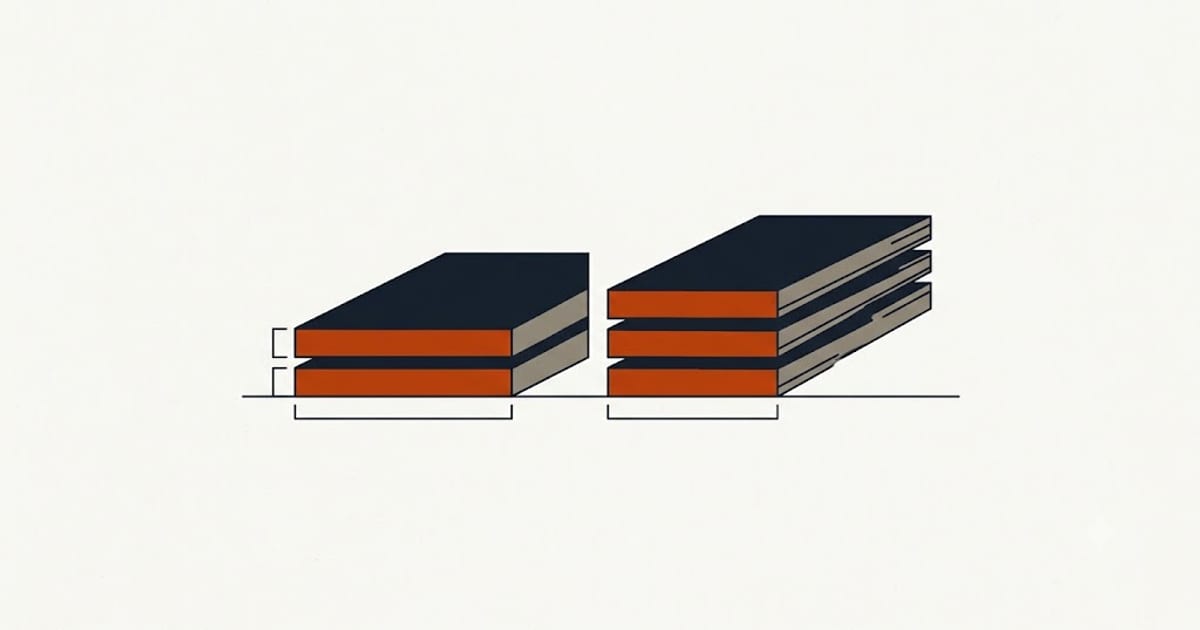 Is Triple Pane Worth It? — Latitude Decides, Not Marketing
The energy case for triple glazing is weak almost everywhere. The comfort and noise case is stronger, and it is the honest reason to buy it.
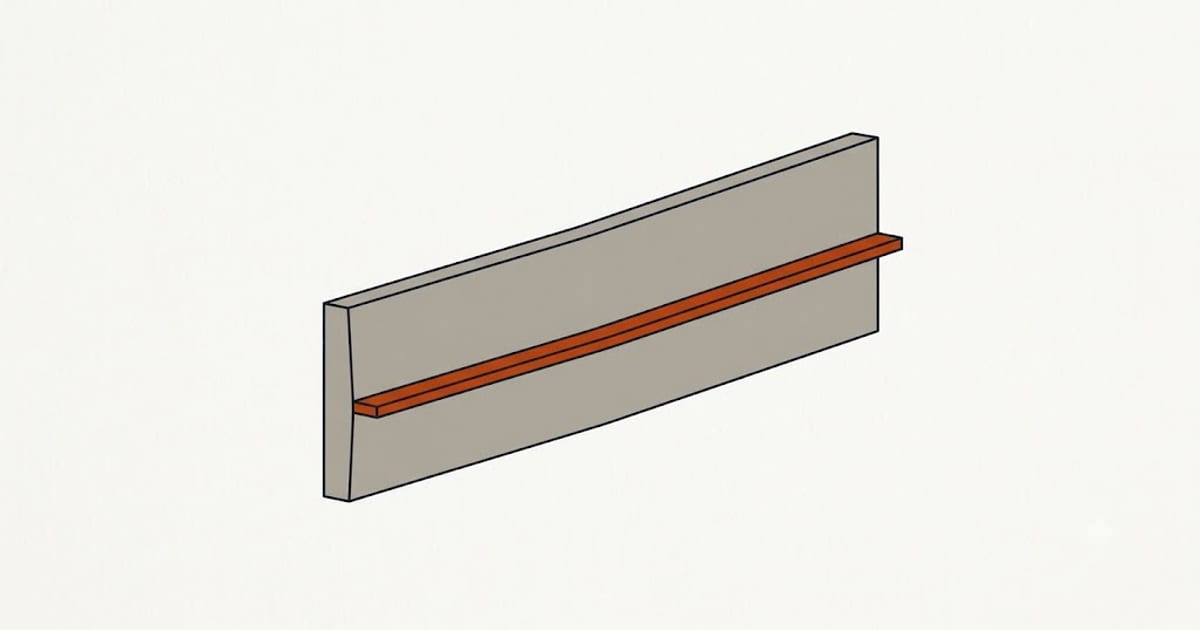 Low-E Coatings — Soft Coat, Hard Coat, and How Many Silver Layers
The pane count gets the attention and the coating does the work. Two double-pane windows with different coatings can differ more than a double differs from a triple.
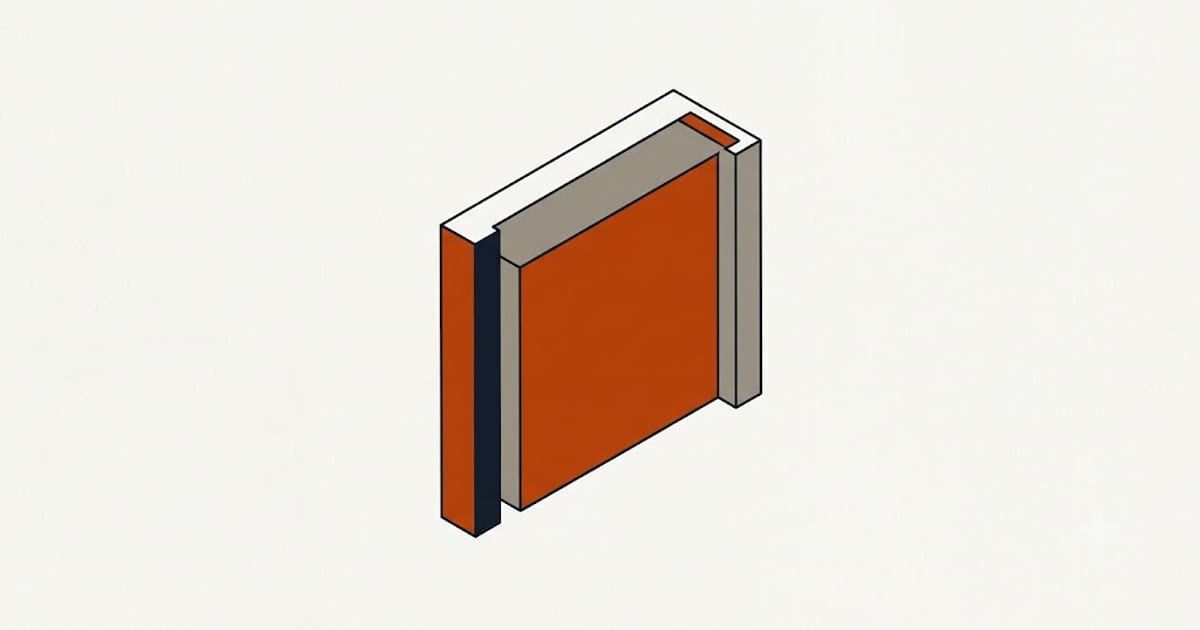 Argon and Krypton Fill — What It Buys and How Much Leaks Out
The gas is the cheapest performance in the whole window. What it is not is permanent, and the gap width matters more than the gas.
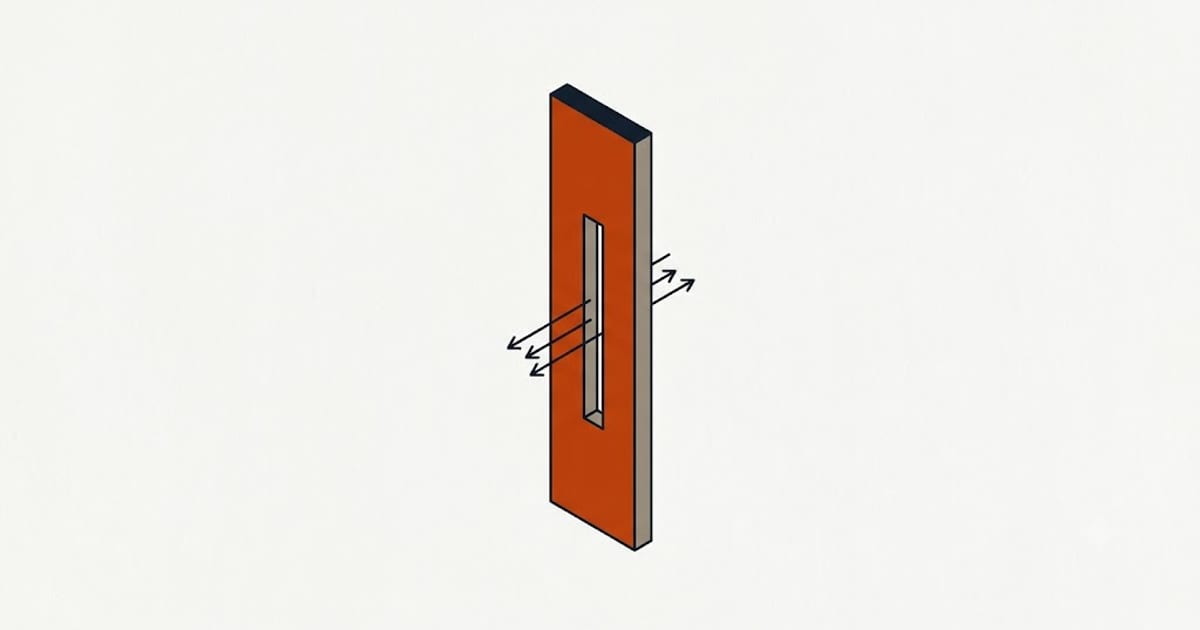 Air Leakage — The Rating That Explains a Cold Room
Two windows with identical U-factors can feel completely different, and the number that explains it is the one nobody reads.