
Every sleeping room and every basement with habitable space needs at least one opening that a person can escape through and a firefighter in gear can enter through. The requirement is in IRC Section R310, and it is four numbers rather than one.
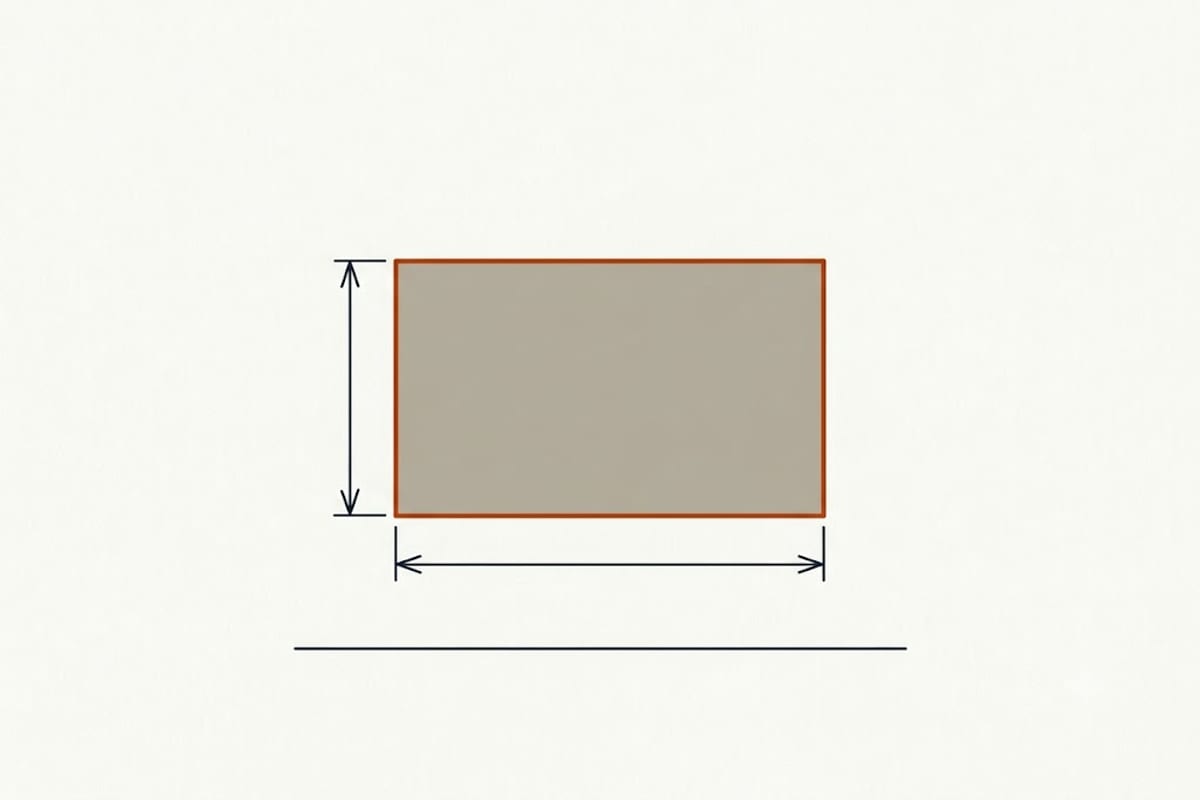
The four requirements
Net clear opening area: 5.7 square feet. This is the hole that exists when the window is fully open — not the glass area, not the rough opening. Ground-floor openings are allowed 5.0 square feet.
Net clear opening height: at least 24 inches.
Net clear opening width: at least 20 inches.
Sill height: no more than 44 inches above the finished floor.
All four have to pass. This is where people get caught, because the minimum height and the minimum width multiplied together give 3.3 square feet — well under the 5.7 required. Meeting the two minimums does not meet the area.
Why a replacement can break compliance
An insert window fits inside the existing frame, so the new sash is smaller than the old one. A bedroom window that cleared 5.7 square feet with its original sash can fall under it once an insert is installed, and nothing about the job looks wrong.
This is the single most common way a compliant house becomes non-compliant during a window replacement, and it usually surfaces years later at a home inspection.
If a bedroom window is close to the limit, either specify a full frame replacement — which keeps the rough opening and can even enlarge it — or check the manufacturer's net clear opening figure for the specific unit before ordering.
Net clear opening by window type
The operating type changes the answer dramatically for the same rough opening.
A casement swings clear and its net opening approaches the full sash size, which is why casements pass egress in openings where nothing else will.
A double hung only ever opens half its height, so it needs to be roughly twice as tall as the 24-inch minimum before it passes, and the width has to carry the area on its own.
A horizontal slider opens half its width, with the same problem in the other direction.
For a marginal opening, changing the operating type is usually cheaper than changing the hole in the wall.
Basements need a well, and the well has its own rules
Where the sill is below grade, the window opens into a window well, and R310 sets requirements for it too: a minimum horizontal area of 9 square feet with a minimum dimension of 36 inches, and a permanently affixed ladder or steps where the well is deeper than 44 inches.
A cover over the well must be openable from inside without tools, keys, or special knowledge. A screwed-down grate does not comply, however good it looks.
When the requirement applies
The rule bites on new construction and on work that requires a permit. Replacing an existing window like-for-like in an existing opening is often treated as maintenance, and many jurisdictions do not require the opening to be brought up to current egress if it was legal when built.
Many, not all — and the exemption is a local decision. Where a bedroom is being finished, a basement converted, or an opening resized, the current rule applies without argument.
What to do before ordering
For every bedroom and every finished basement room, measure the existing net clear opening with the window fully open, and ask the supplier for the net clear opening of the proposed unit. Compare the two numbers.
If the new one is below 5.7 square feet and the old one was above it, the order needs changing — a different operating type, a larger unit, or a full frame replacement. All three are cheaper before manufacture than after.