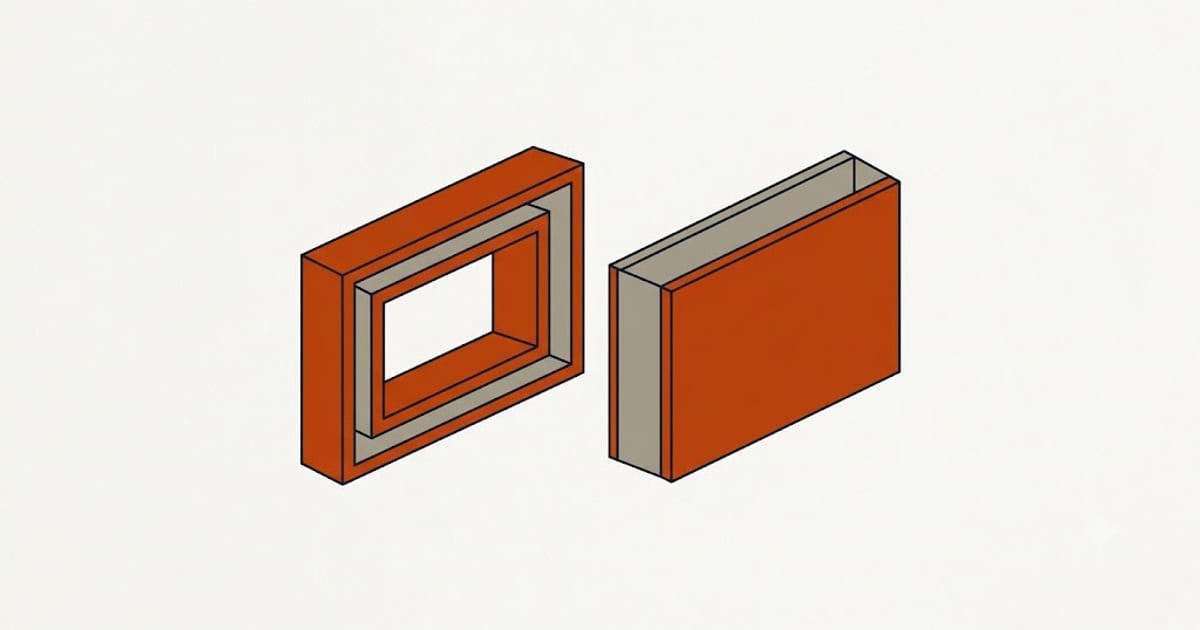
There are two ways to replace a window, and the choice is usually made on price without the trade-off being explained.
An insert — also called a pocket or retrofit unit — is a complete new window built to fit inside the existing frame. The old sashes come out, the old frame stays, and the new unit is fitted into it.
A full frame replacement removes everything back to the rough opening in the wall framing, including the old frame, the sill and often the interior and exterior trim.
What an insert costs you in glass
The new unit has its own frame, and that frame sits inside the old one. Two frames now occupy the space one used to.
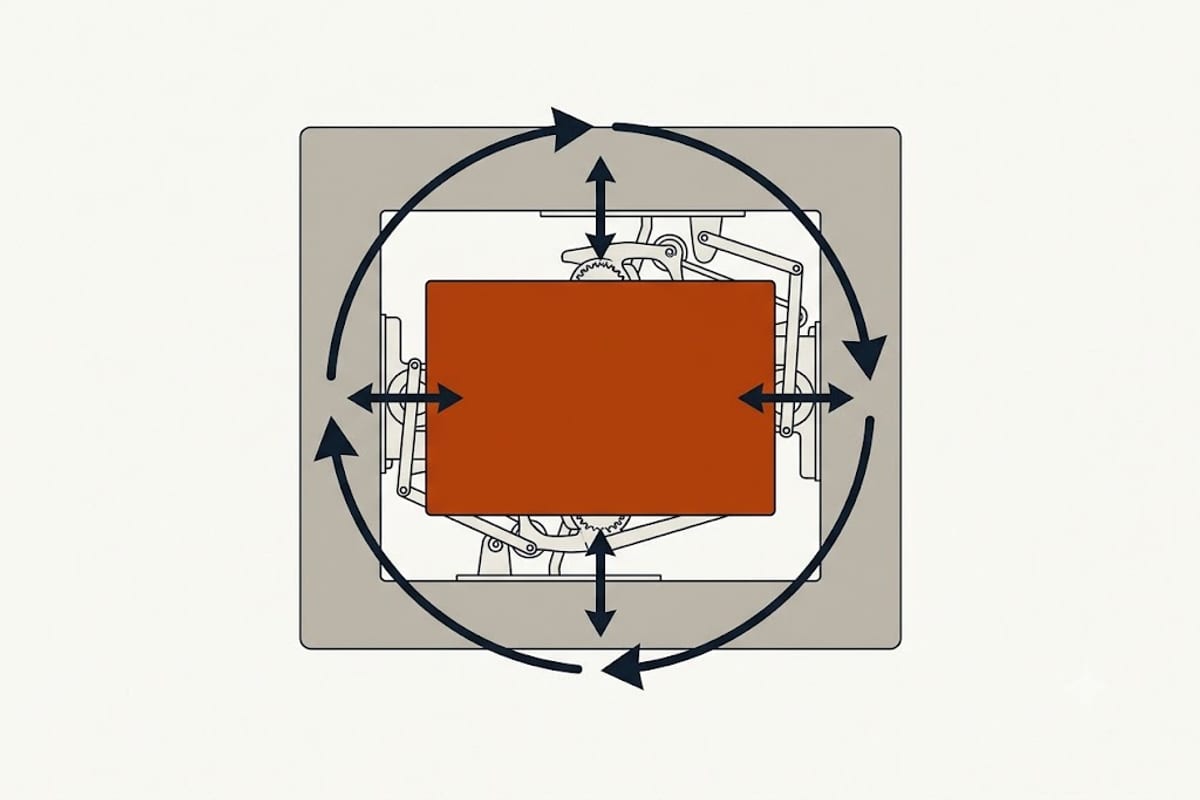
The loss is typically 1 to 3 inches in each dimension. On a large window that is barely noticeable. On a small one — a bathroom or a stair landing — it can be a fifth of the daylight, and it is permanent.
The loss is also not symmetric across a house. A row of identical windows replaced with inserts stays consistent; a mix of insert and full-frame in the same elevation does not, and the difference is visible from the street.
What the insert hides
This is the part that matters more than the glass.
An insert seals the old frame inside the wall forever. Everything that frame is doing — good or bad — continues, invisibly:
- The original flashing stays as it is. If it was wrong, or was never there, water keeps entering the wall.
- Rot in the sill or the sheathing below it stays and keeps spreading.
- The gap between the old frame and the framing keeps whatever insulation, or lack of it, it had.
If the old window leaked, an insert does not fix it. It covers it.
When an insert is the right choice
- The existing frame is sound, square and dry — check the sill and the bottom corners of the jambs with an awl
- The exterior is masonry or stucco, where full frame means disturbing cladding that is expensive to make good
- The interior trim is original and worth keeping
- The windows are large enough that losing an inch each way does not matter
- Budget is the binding constraint, and the frames are genuinely fine
When full frame is the only honest option
- Any sign of water — staining, soft wood, peeling paint at the sill, a musty smell at the bottom of the opening
- Out of square frames, where an insert would need shimming that leaves gaps
- Changing the window size at all
- Siding coming off anyway, in which case full frame costs comparatively little extra and the flashing gets done right
- Original single-pane wood windows with no flashing, which is most houses built before roughly 1970
The question that settles it
Ask the estimator to open one window, look at the sill from below with a light, and probe the bottom corners. It takes ten minutes.
A contractor who quotes inserts across a whole house without opening a single frame is quoting a price, not an assessment. On a house where the frames are fine, that is a good price. On a house where they are not, it is the expensive kind of cheap — because the next time anyone looks inside that wall, the new window has to come out first.
What a full frame job should include
Full frame costs more because it is more work, and the extra work is where the value is. A quote that says "full frame" without listing these is not really offering one:
Flashing. Sill pan first, then the window, then jamb flashing lapped over the sill pan, then head flashing lapped over the jambs. Water runs down, so each layer overlaps the one below. Getting this order wrong is the single most common defect in new window installation.
Air sealing. Low-expansion foam or backer rod and sealant in the gap between the window frame and the framing. Ordinary expanding foam bows the jambs and makes the sash bind, which is why the low-expansion product exists.
Insulation in the same cavity, and a continuous seal on the interior side so that warm indoor air cannot reach the cold framing and condense there.
New interior and exterior trim, since the old trim comes off to get the frame out and rarely survives the removal intact.
The price gap, and what it is buying
Full frame typically runs 30 to 60 percent more per opening than an insert. On a whole house that is a large number, and it is worth being clear about what it buys: not better windows, but a properly sealed and flashed opening.
If the existing frames are dry and square, that premium buys very little and the insert is the better value. If they are not, the premium is the entire point of the job, and skipping it means paying for new windows while leaving the actual problem sealed inside the wall.