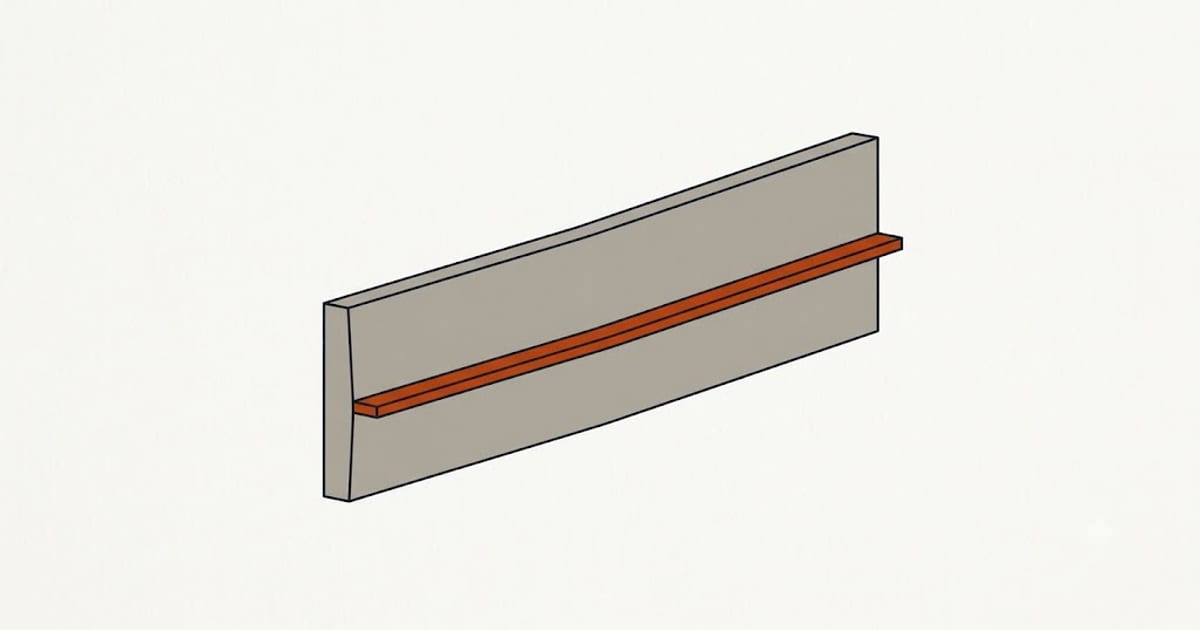
Low-emissivity coating is a metallic film a few atoms thick on one glass surface. It is transparent to visible light and reflective to long-wave infrared, which is the radiation that carries heat.
Nearly all the performance difference between two modern windows of the same pane count comes from this layer.
Soft coat versus hard coat
Hard coat (pyrolytic) is applied to the glass while it is still hot on the float line. The coating fuses into the surface, so it is durable, can be handled and stored like ordinary glass, and can be used on a single pane facing the room. Its performance is moderate — emissivity around 0.15 — and it has a slight haze.
Soft coat (sputtered, MSVD) is deposited in a vacuum chamber after the glass is made. It performs far better — emissivity down to about 0.02 — and it is fragile: it oxidises in air and must live inside a sealed unit. Essentially every high-performance window uses soft coat.
If a quote says "low-E" without specifying, it is worth asking. The gap between the two in whole-window U-factor is on the order of 0.05, which is most of the difference a third pane would buy.
Silver layers are the real specification
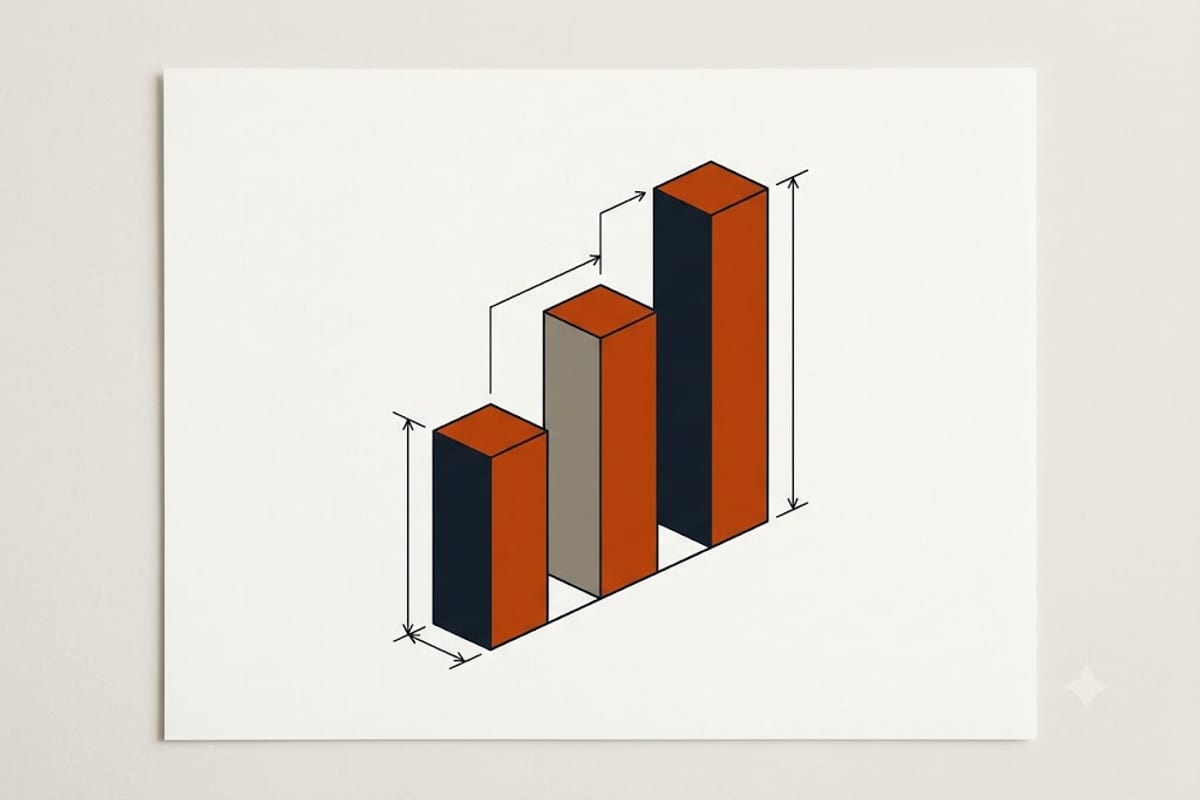
Soft coats are built as a stack, and the working ingredient is silver. The number of silver layers is what separates the product tiers:
- Single silver — the entry-level soft coat. Good U-factor, relatively high SHGC. This is the right coating for a northern climate on south glass, where solar gain is wanted.
- Double silver — better solar control at similar visible transmittance. The mainstream choice in mixed and southern climates.
- Triple silver — the lowest SHGC available while keeping the glass looking clear. This is the southern-climate coating, and it is what makes a 0.23 SHGC possible without tinting.
More silver is not automatically better. In a heating climate, triple silver blocks the winter sun you wanted, and it is why ENERGY STAR Version 7.0 now sets a minimum SHGC of 0.17 in the Northern zone.
Which surface the coating sits on
Glass surfaces are numbered from the outside in. In a double-pane unit: surface 1 is the exterior face, 2 is inside the airspace on the outer pane, 3 is inside the airspace on the inner pane, 4 is the room face.
- Surface 2 — the standard position for solar control. The coating rejects heat before it enters the airspace, which is what a cooling climate wants.
- Surface 3 — used in heating climates. Solar gain passes into the room and the coating keeps room heat from radiating outward.
- Surface 4 — a room-side hard coat, sometimes added to squeeze U-factor down. It lowers the interior glass temperature slightly and can raise condensation risk.
A supplier who can tell you the surface is quoting from a real spec.
Coatings you can see
A good spectrally selective coating is close to invisible. Cheaper approaches to low SHGC use tint or a heavier reflective stack, and both are visible — tint darkens the room and drops visible transmittance, reflective coatings give the outside of the house a mirrored look at some angles.
Check VT on the NFRC label. If SHGC is low and VT is also low, the coating is achieving it by blocking light rather than by being selective, and the rooms will be darker for it.
What actually breaks
The coating itself does not degrade inside a sealed unit — it is the seal that fails. When it does, moisture enters, the coating oxidises where it meets air, and the unit fogs permanently between the panes. That is a sealed-unit replacement, not a repair, and no defogging service restores the coating.
This is why edge seal and spacer quality matter as much as the coating spec: the coating only performs as long as the seal holds.