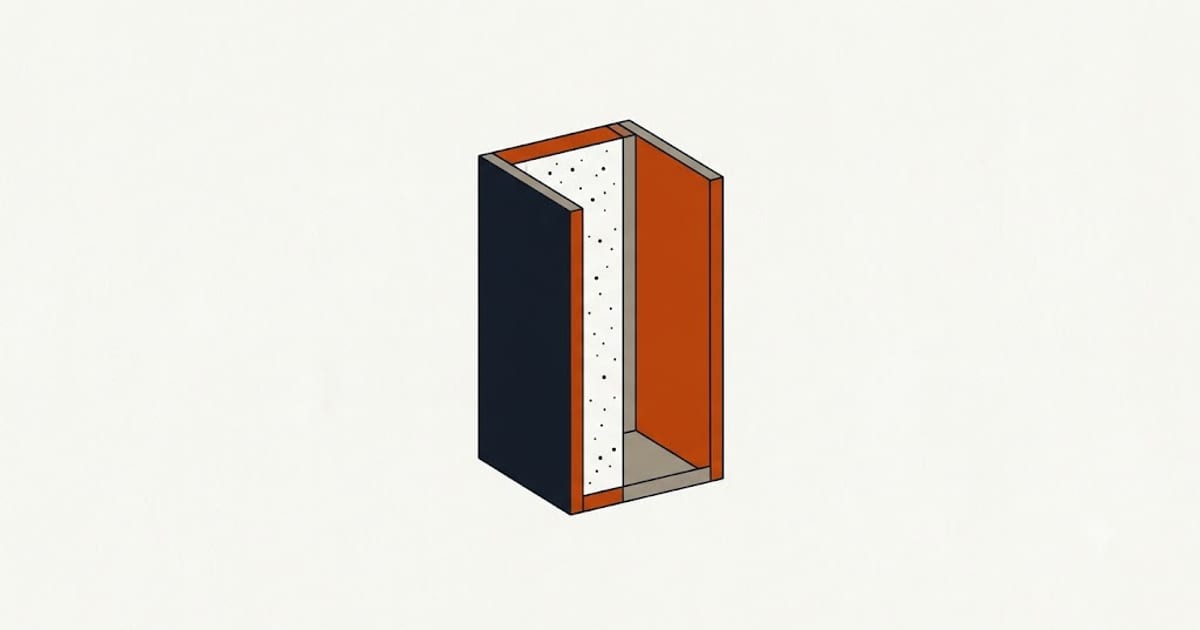
Wipe the glass. If the haze stays, it is between the panes, and that means the insulating glass unit has failed.
That single test separates a comfort issue from a component failure, and people spend months on the wrong one.
What a sealed unit is, and what broke
Two or three sheets of glass held apart by a spacer, sealed at the edge, with the cavity filled with dry air or argon. Inside the spacer is a desiccant that absorbs the small amount of moisture present at manufacture.
The unit breathes slightly as it heats and cools each day. When the edge seal fails, it breathes damp outside air instead. The desiccant absorbs what it can and then saturates, and after that every cool night condenses moisture on the inside of the glass where nothing can reach it.
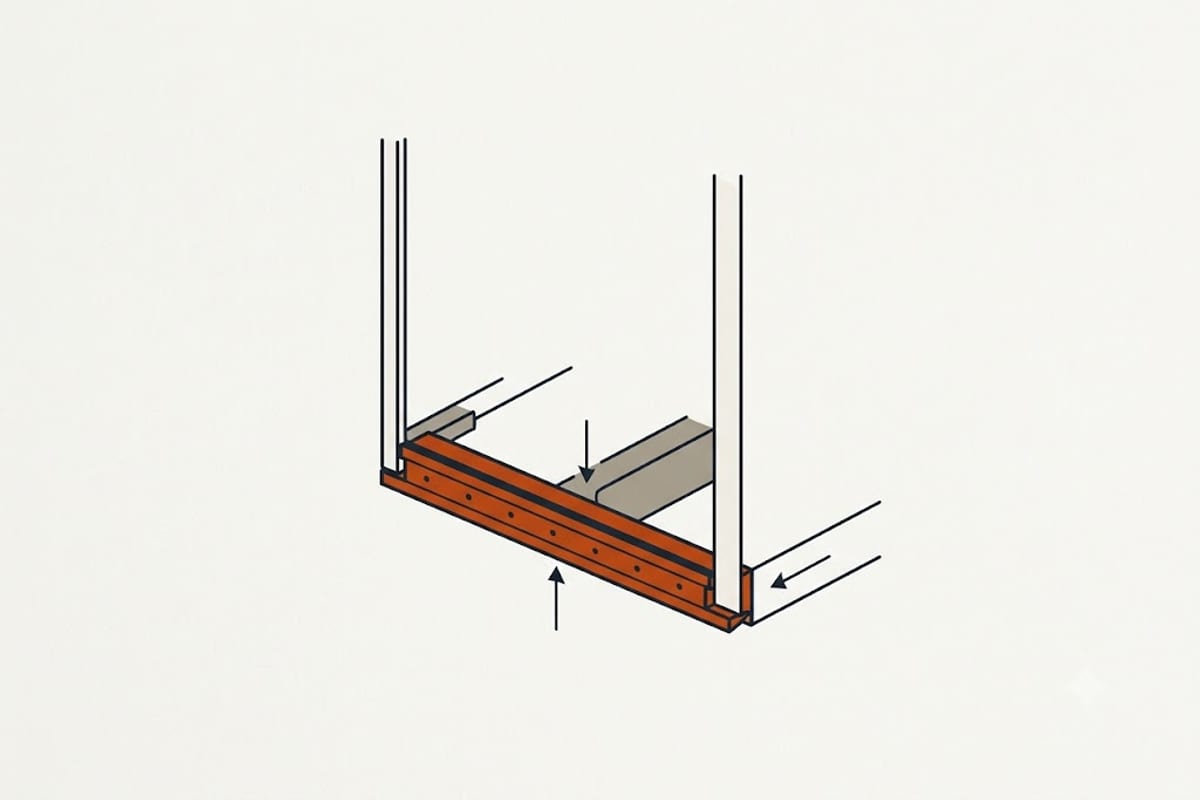
Two things are now true: the fill gas has escaped, and the unit is wet inside.
What it costs you
The argon fill is a meaningful share of the window's rating. A unit specified at U-0.28 with argon behaves closer to U-0.32 once the gas is gone — roughly the difference between double low-E with argon and without.
That is not catastrophic. It is a real, permanent loss of the performance you paid for, and it usually gets worse because the seal does not repair itself.
Why "defogging" does not fix it
The service exists: small holes are drilled in the glass, the cavity is cleaned and dried, and vents or valves are fitted.
It removes the visible haze. It does not restore the seal, and it does not restore the gas fill — a vented unit is deliberately open to outside air, so it can never hold argon again. Mineral deposits already etched into the inner surface do not come off either.
If the complaint is purely cosmetic and the window is otherwise sound, it is a legitimate cheap option. It is not a repair of the insulating performance, and it should not be sold as one.
The fix that lasts: replace the glass, not the window
This is the part most people do not know. The sealed unit can usually be replaced on its own, leaving the frame, sash and hardware in place.
It costs a fraction of a full window replacement, takes under an hour per opening, and on a vinyl or aluminium-clad frame in good condition it restores the window to its original specification.
Replacing the whole window is only necessary when the frame or sash has also failed — rot, distortion, hardware beyond parts.
Check the warranty before paying for anything
Sealed unit warranties commonly run 10 to 20 years, and seal failure is precisely what they cover. Many are transferable to a subsequent owner.
You will need the manufacturer and the date, and both are usually on a small stamp in the spacer bar between the panes, visible in the corner of the glass. Some are etched into a corner of the glass itself.
It is worth ten minutes of looking before accepting a quote.
Why some windows fail and their neighbours do not
Seal failure is driven by thermal cycling, so the units that go first are predictable:
- South and west elevations, which get the largest daily temperature swing
- Windows with dark frames, which run hotter
- Anything with a storm window or heavy film added over it, which traps heat against the unit
- Units installed out of square, where the frame loads the glass edge
If several windows on one elevation have failed and the rest of the house is fine, that is the explanation — not a bad batch.