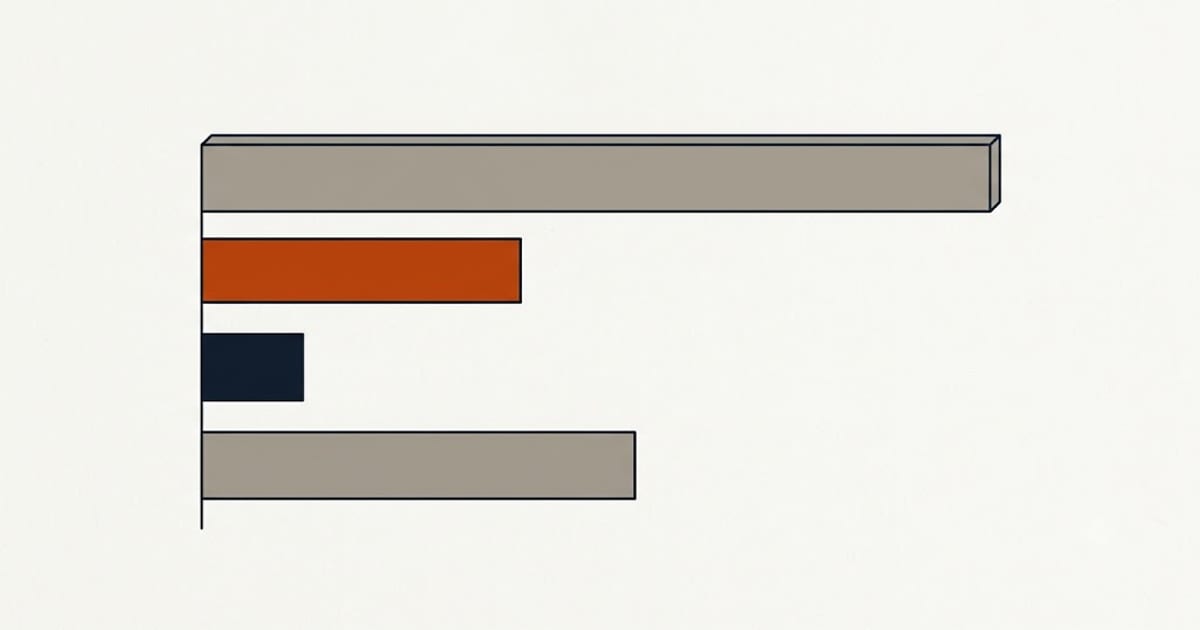
"Windows last twenty years" is a useful average and a misleading one, because a window is four components with very different lives.
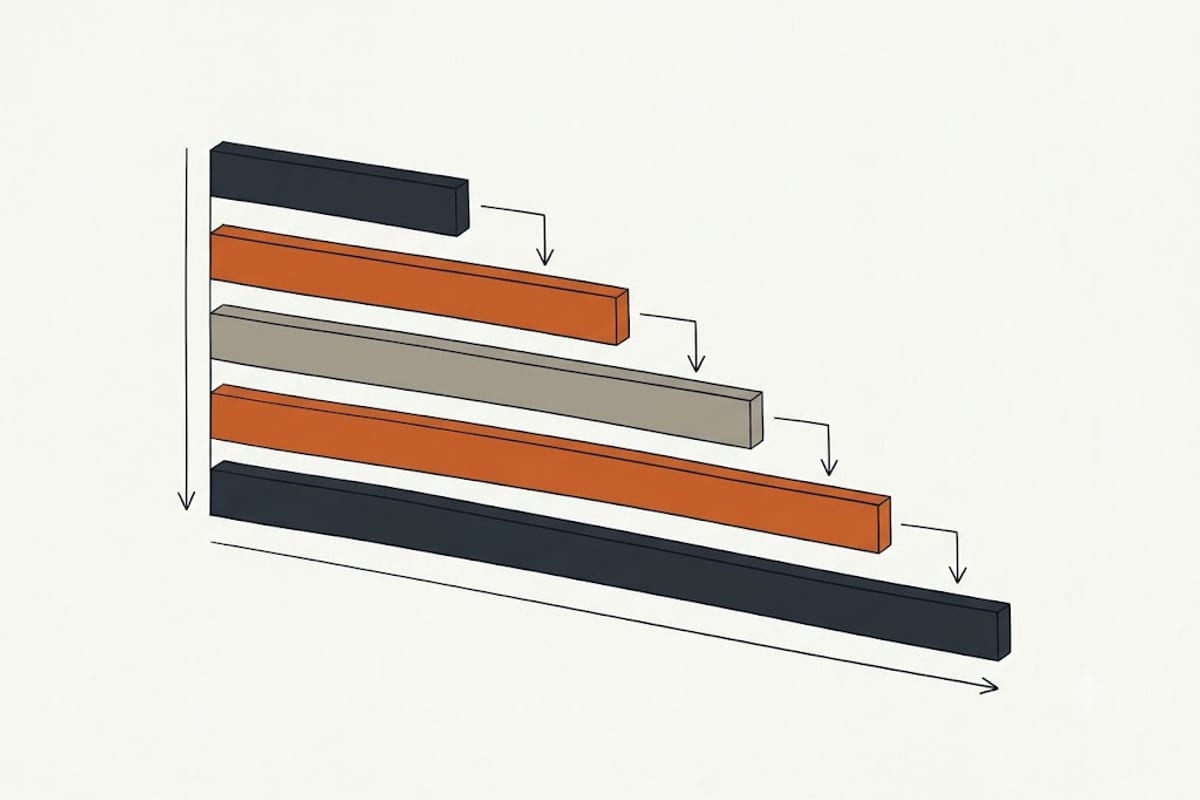
The sealed glass unit — the limiting part
The insulating glass unit is two or three panes bonded to a spacer with a perimeter seal. That seal is doing a hard job: holding a gas in, keeping moisture out, and absorbing the daily movement of glass and frame expanding at different rates.
Typical service life is fifteen to twenty-five years. It fails as fogging or a permanent haze between the panes, and once it does the coating oxidises and the gas is gone. The unit is replaceable in most frames without replacing the whole window, and that is often the right repair.
Three things shorten it: heat (dark frames, west and south elevations), standing water at the bottom edge, and frame movement, which is why the material argument between vinyl and fiberglass is really an argument about seal life.
Hardware — the part that annoys you first
Balances on a double hung, hinges and operators on a casement, rollers on a slider. Ten to twenty-five years, and usually the first thing that goes wrong.
Most of it is replaceable and inexpensive, if the manufacturer still exists and still stocks the part. This is a real reason to prefer a manufacturer with a long track record over the cheapest quote — a proprietary balance from a company that closed in 2011 is not obtainable at any price.
Weatherstripping — consumable
Five to fifteen years, and it is a wear part rather than a failure. Compression seals take a set, foam degrades in UV, and the window that used to close tight starts letting air past.
Replacing it is cheap and it is the single most cost-effective thing to do to an ageing window, because air leakage matters more to comfort than U-factor does.
Frames — usually last
Vinyl: 20 to 40 years. Ends by becoming brittle from UV, or by distorting where dark colours and heat combined.
Fiberglass: 30 to 50 years. Very stable, and refinishable.
Aluminium: 30 to 50 years for the metal. The finish may need attention long before the frame does.
Wood: indefinite where it stays dry and is maintained. Ten years where water gets in and it is not. Wood is the only frame material whose life is decided almost entirely by the flashing around it.
Clad wood: the cladding lasts; the wood behind it lasts as long as water stays out of the joint between them.
What this means for a replacement decision
The common situation is a house with fifteen-year-old double-pane windows where two or three have fogged. The instinct is to replace all of them; the arithmetic usually says otherwise.
If the frames and hardware are sound, replacing the failed glass units costs a fraction of new windows and restores the original performance. It is worth getting a price on that before pricing the whole house.
The case for full replacement is when several of the four components are at end of life together — fogged units, failed balances, degraded weatherstrip and a frame that is out of square. At that point the parts add up to more than the whole.
What extends the life
Keep the drainage clear. Every modern window has weep holes at the bottom of the exterior frame, and every one of them eventually blocks with dirt. Water then sits against the bottom edge of the glass, which is exactly where the seal is most vulnerable.
Clearing weep holes once a year with a piece of wire takes a few minutes per window and is the closest thing to maintenance that a modern window has.