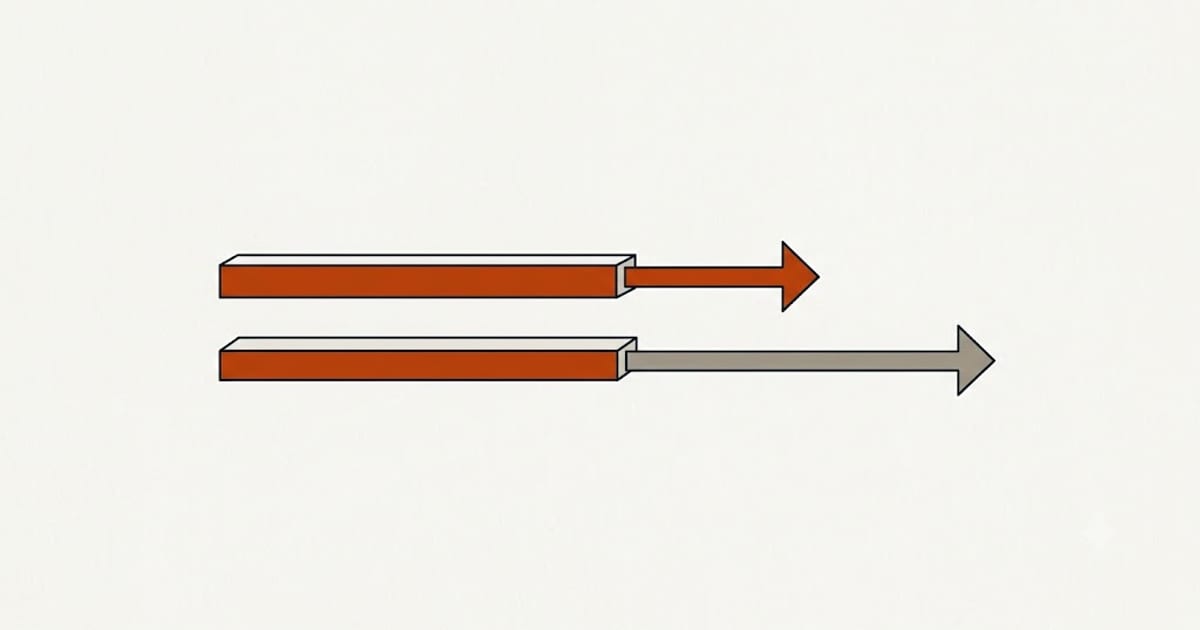
Vinyl and fiberglass insulate about equally well. A vinyl frame is hollow with air chambers; a fiberglass frame is a pultruded shell, often filled with foam. Whole-window U-factors from the two materials land in the same range.
The difference that matters is thermal expansion, and it explains nearly everything else.
The number behind the argument
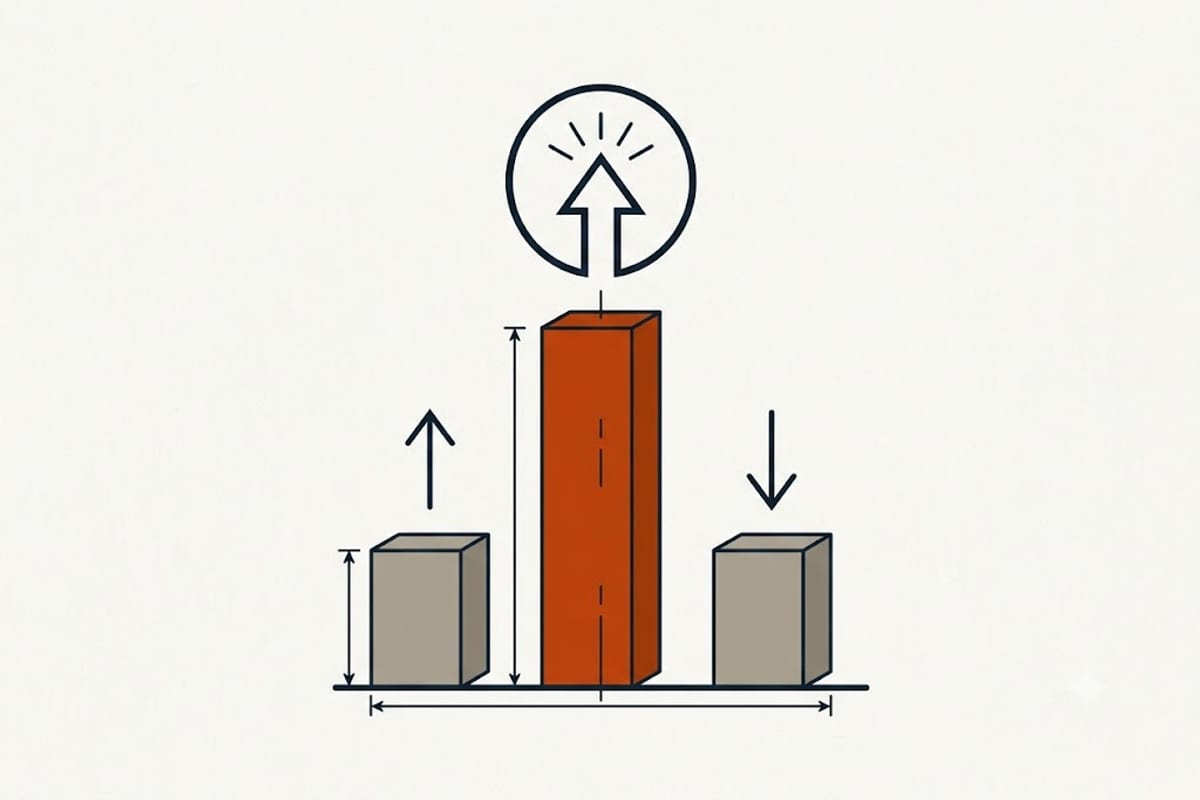
Glass barely moves with temperature. Fiberglass, being mostly glass fibre, moves at a similar rate. Vinyl moves several times more.
A window is a glass panel held in a frame. When the frame and the glass expand at different rates, the seal between them works every day of its life — out in the afternoon, back at night, through every season. Over twenty years that is tens of thousands of cycles on the sealant.
This does not mean vinyl windows fail. It means the mechanism that eventually ends a sealed unit's life is more active in a frame that moves more, and the effect concentrates where it is hottest: large dark-coloured units on a west or south elevation.
What follows from it
Colour. Dark vinyl absorbs more heat and moves more, so manufacturers restrict dark colours, offer them only in a heat-reflective formulation, or shorten the warranty on them. Fiberglass takes any colour and is routinely factory-finished dark.
Size. Large vinyl units need reinforcement — a steel or aluminium stiffener inside the hollow chamber — which adds a thermal bridge. Fiberglass is stiff enough to span further without it.
Refinishing. Fiberglass can be repainted. Vinyl is coloured through and cannot be painted reliably; paint on vinyl traps heat and accelerates the movement it was meant to hide.
Where vinyl is the right answer
- Price. Typically 20 to 40% less installed, and the gap is real rather than a discount.
- Light colours in a temperate climate, where expansion is least active.
- Standard sizes in ordinary openings, which is most windows in most houses.
- Rental or resale work, where the horizon is shorter than the difference in lifespan.
A good vinyl window from a serious manufacturer is not a compromise. Most windows sold in the US are vinyl, and most of them are fine.
Where fiberglass earns its price
- Large units, particularly anything over about six feet in a dimension
- Dark colours, especially on a west or south wall
- Hot climates with big daily temperature swings — the desert southwest is where the difference is most visible
- Houses being kept, where a longer service life is worth paying for now
- Matching a wood interior — many fiberglass lines take a wood-veneer interior that vinyl cannot
What does not distinguish them
Energy performance. Read the NFRC label. The material tells you very little; the glass package and the spacer tell you most of it.
Maintenance. Neither needs painting, and both wash with soap and water.
Strength in a storm. Impact rating comes from the glass and the anchoring, not the frame material.
The two things worth more than this decision
Installation. A well-installed vinyl window outperforms a badly installed fiberglass one on every measure that a person in the room can feel. Flashing, air sealing and shimming decide whether the window leaks water or air, and no frame material compensates for getting them wrong.
The glass package. The coating, the spacer and the gas do the energy work. Two windows in the same frame material with different glass differ more than two frame materials with the same glass.
Choose the frame on budget, colour and size. Choose the glass on the climate. Choose the installer on references.