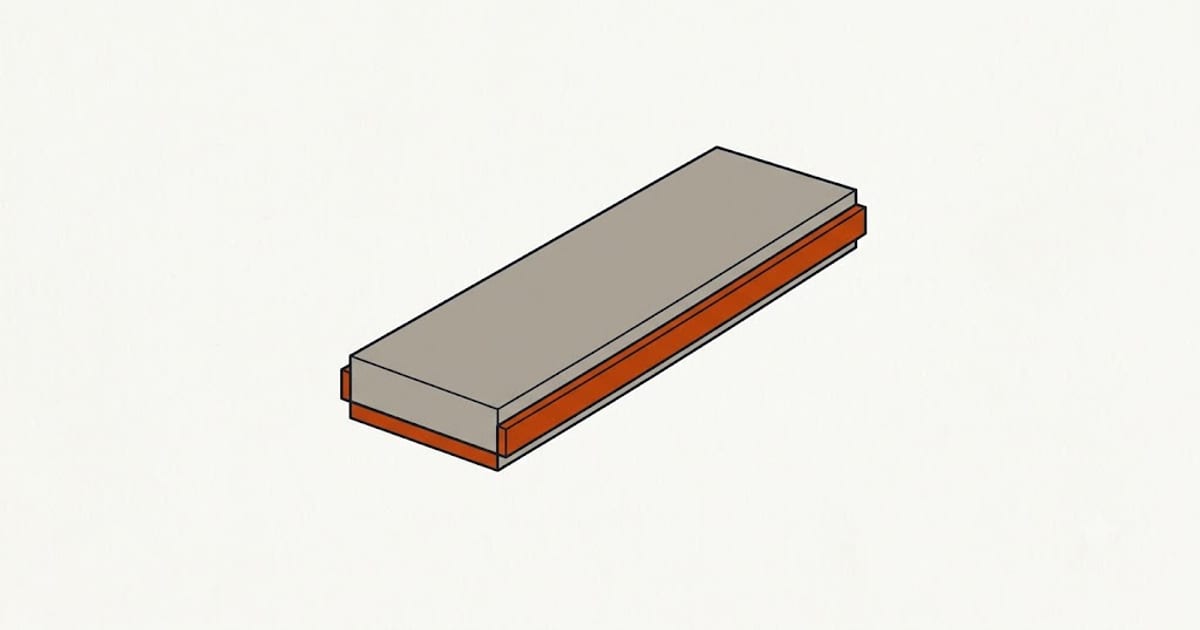
A clad window has a wood frame and sash with a factory-applied exterior skin — extruded aluminium, roll-formed aluminium, vinyl, or a fiberglass composite. The idea is to get wood inside, where it is wanted, and a maintenance-free surface outside, where paint fails.
It works, and the failure mode is specific.
What each cladding actually is
Extruded aluminium is the premium version: thick sections, sharp profiles, and a factory fluoropolymer finish that holds colour for decades. It is what the high-end lines use and it costs accordingly.
Roll-formed aluminium is thinner sheet wrapped over the wood. Lighter, cheaper, and more prone to denting and to seams opening at the corners.
Vinyl cladding avoids the corrosion issue near the coast entirely, and inherits vinyl's colour and expansion limits.
Fiberglass composite cladding sits between: stable, paintable, and less common.
The joint is the whole question
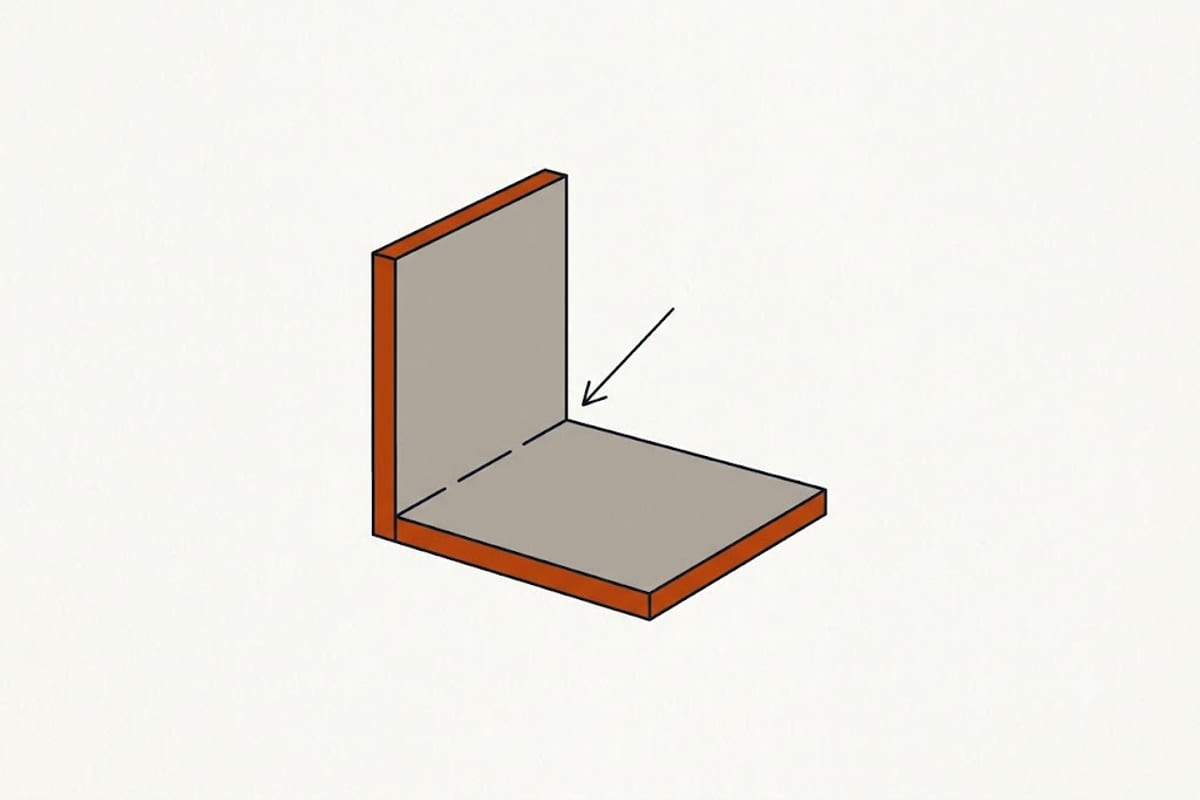
Cladding is not a bathtub. It is a set of pieces meeting at corners, at the sill, and where the frame meets the sash. Every one of those junctions is sealed rather than continuous.
When a seal opens — and they do, from thermal cycling and from UV on the sealant — water gets behind the cladding and reaches wood that has no coating on it, because it was never meant to be exposed. It cannot dry, because the cladding is in the way.
The result is rot that is completely invisible until the sash is soft to the touch or the glass unit drops. Clad windows do not weather visibly the way painted wood does; they look perfect right up until they do not.
Where to look
Once a year, on the windows that get the most weather:
- The bottom corners of the sash, where the vertical and horizontal cladding meet
- The sill line, where water sits
- Any place the cladding has lifted, dented or opened a seam
- The glazing bead, where sealant meets glass
Press the wood at the interior bottom corners with a thumbnail. Soft is a problem.
Corrosion near salt water
Aluminium cladding within a mile or so of the ocean corrodes at the cut edges and at fastener points, and it does so faster than most warranties assume. Several manufacturers exclude coastal exposure or shorten the term.
In that environment, vinyl or fiberglass cladding, or a full fiberglass window, avoids the problem rather than managing it.
Where clad wood is worth it
Interior appearance. A stained wood interior is something neither vinyl nor fiberglass reproduces convincingly. If the interior is the reason, this is the only way to get it.
Historic or architecturally specific houses, where profiles matter and clad lines offer shapes that other materials do not.
Large or unusual units, where wood's strength allows spans and shapes vinyl needs reinforcement for.
Long horizons, where an extruded-aluminium-clad window from a serious manufacturer will outlast almost anything else — provided the joints are watched.
Where it is not
Where nobody will inspect it. The failure mode is silent, and a clad window on a rental or a second home is a window that will be found rotten rather than found rotting.
Coastal exposure with aluminium cladding, for the reason above.
Budget-driven work. Clad wood is the most expensive common option, and the money buys interior appearance rather than performance. The NFRC numbers are comparable to a good fiberglass window costing considerably less.
The comparison that matters
Against fiberglass, clad wood costs more and gives a real wood interior. Against vinyl, it costs much more and gives both the interior and better dimensional stability.
If the wood interior is not the reason for buying, it is difficult to justify the premium on any other ground.